
The LIAISON consortium gathered in Gijón, Spain, on 18–19 November 2025 for a productive two-day meeting hosted by ZITRÓN. With partners joining both onsite and online, the meeting provided an important opportunity to review progress, address emerging challenges, and coordinate the project’s final phase.
The discussions began with an overview of the project’s general progress, followed by a series of technical presentations that showcased the steady advancement of LIAISON’s innovations. Partners shared results from ongoing field tests, the development of new construction materials, and the refinement of digital tools designed to support smarter, safer, and more sustainable transport infrastructure.
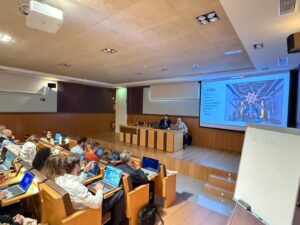
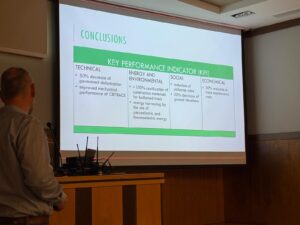
Promising performance results from bioasphalts were highlighted, alongside progress in installing the geopolymer-concrete slabs in a test site in Madrid. Partners also reported on progress on optimized concrete beams, the testing of the PV guardrail and the development of data-driven monitoring systems that are nearing integration at LIAISON’s demonstration sites.
Life-cycle cost assessments and environmental analyses are helping to deepen understanding of the long-term benefits these innovations can deliver. Updates on safety testing, tunnel ventilation enhancements, and improved methods for collecting and processing structural data further underlined the project’s growing maturity.
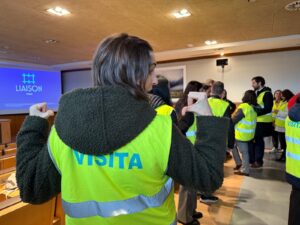
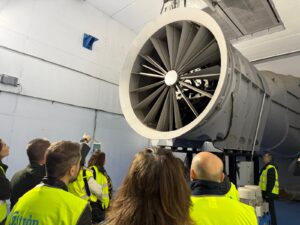
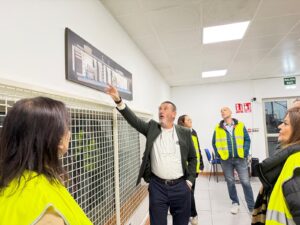
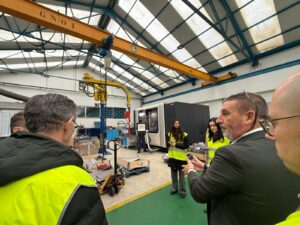
A guided visit to ZITRÓN’s facilities gave partners an inside view into the industrial context behind the project’s innovative tunnel ventilation technologies. The tour highlighted ZITRÓN’s extensive expertise in designing and manufacturing ventilation systems, all of which are produced on demand and tailored to the specific requirements of each project they are involved in. This visit reinforced the essential role of strong industrial partners in ensuring that LIAISON’s solutions are not only scientifically sound but also ready for deployment in real operational environments.
Partners also discussed the outcomes of the 4th Stakeholder Reference Group meeting, which emphasised the importance of consistent engagement with public authorities, industry actors, and domain experts. Their feedback continues to help shape the strategic direction of LIAISON as it moves toward completion.
The LIAISON project continues to advance with confidence, delivering knowledge and technical solutions aimed at reducing emissions from transport infrastructure—both those produced directly by the infrastructure itself and those it indirectly influences. The presentations, site visit, and collaborative exchanges strengthened the consortium’s shared commitment to delivering innovative solutions that will enhance the resilience, sustainability, and intelligence of Europe’s transport infrastructure.