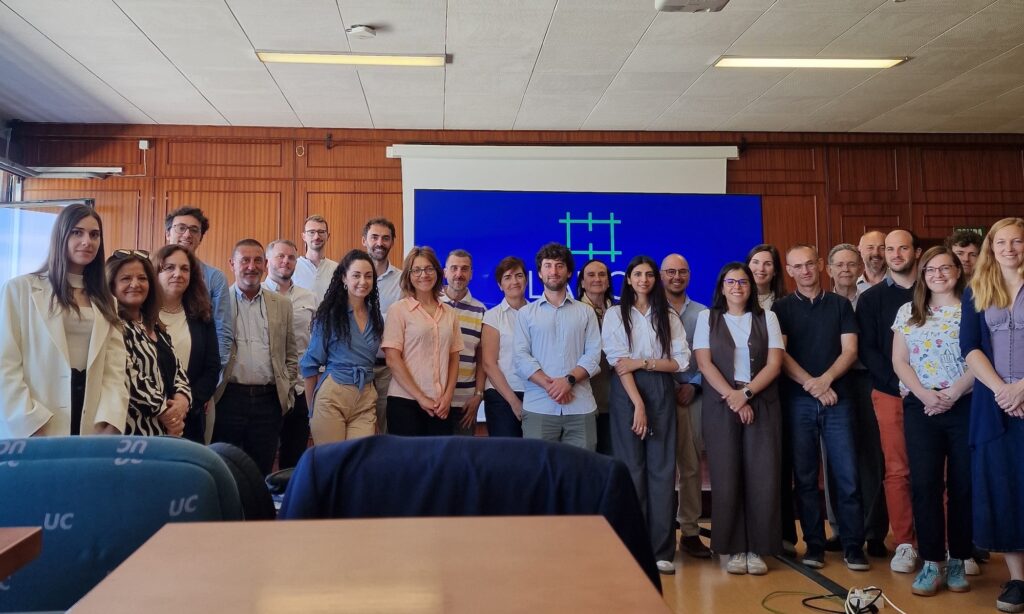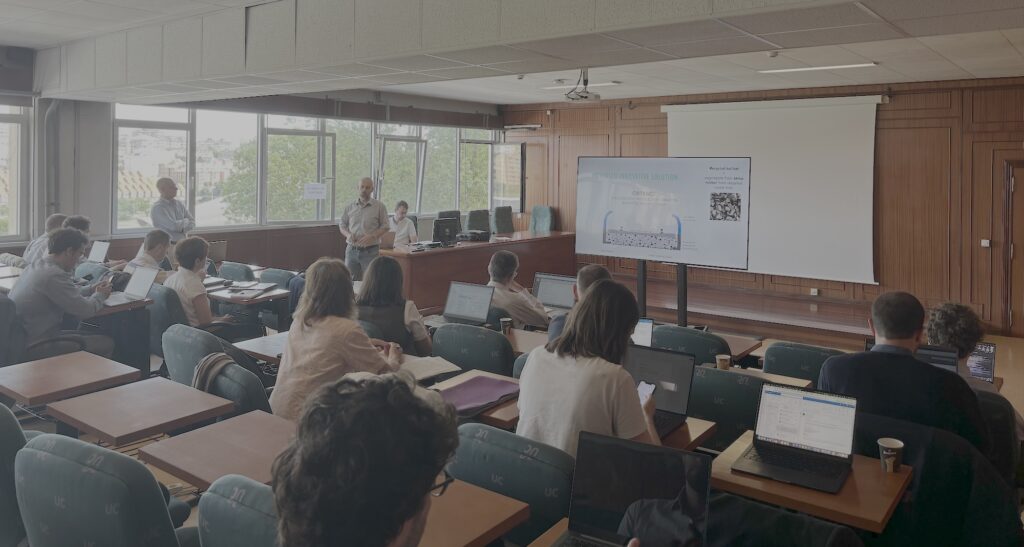
On 3 June 2025, the LIAISON consortium gathered in Santander, Spain, for its latest General Assembly, to review the results emerging from the project’s demonstrators and discuss the conditions required for their future deployment and uptake. While previous meetings focused primarily on laboratory testing, design activities, and technical development, this time the discussions showcased real-world implementation of the different pilots.
The growing maturity of the innovations developed within LIAISON now allowed partners to present photos, videos, monitoring data, and preliminary performance assessments from the demonstrators, providing the opportunity to evaluate how these solutions perform under actual operating conditions.
Beyond performance: the importance of long-term evaluation
A recurring theme throughout the General Assembly and the previous Stakeholder Reference Group meetings was the importance of evaluating infrastructure solutions not only based on their immediate technical performance, but also on their long-term impacts, after the demonstration phase.
For infrastructure operators and asset managers, factors such as durability, maintenance requirements, operational efficiency, safety, and lifecycle costs are often just as important as initial construction costs and performance.
This perspective reflects one of the project’s core ambitions: enabling a transition towards transport infrastructure that is not only more sustainable, but also smarter, more resilient, and easier to manage throughout its lifecycle.
Presentations from the demonstration sites showed encouraging results across several technology areas, with a number of key performance indicators already achieved.
For example, the Adaptive Tunnel Ventilation System demonstrated energy savings of up to 40% through intelligent fan speed control and optimized air flow management. Such results highlight the significant contribution that digitalisation and smart infrastructure management can make towards reducing operational energy consumption.
Similarly, preliminary assessments on Bio-based Asphalt solutions indicate that replacing conventional binders with bio-based components can reduce associated CO₂ emissions by up to 80%, supporting the transition towards lower-carbon transport infrastructure while maintaining performance requirements.
The meeting also provided valuable insights into solutions that require longer observation periods before their full benefits can be quantified. This is particularly true for innovations aimed at improving infrastructure durability, safety, and lifecycle performance. An example is the Circular Ballast Track solution, which combines recycled tyre-derived rubber particles with reused or lower-quality ballast aggregates and reinforced confinement elements. Initial observations indicate positive effects in terms of vibration damping, noise reduction, and ballast protection. However, partners agreed that long-term monitoring will be essential to fully assess performance under operational railway conditions and validate the expected maintenance and lifecycle benefits.
A Joint Final Event with CIRCUIT: sharing results and lessons learned
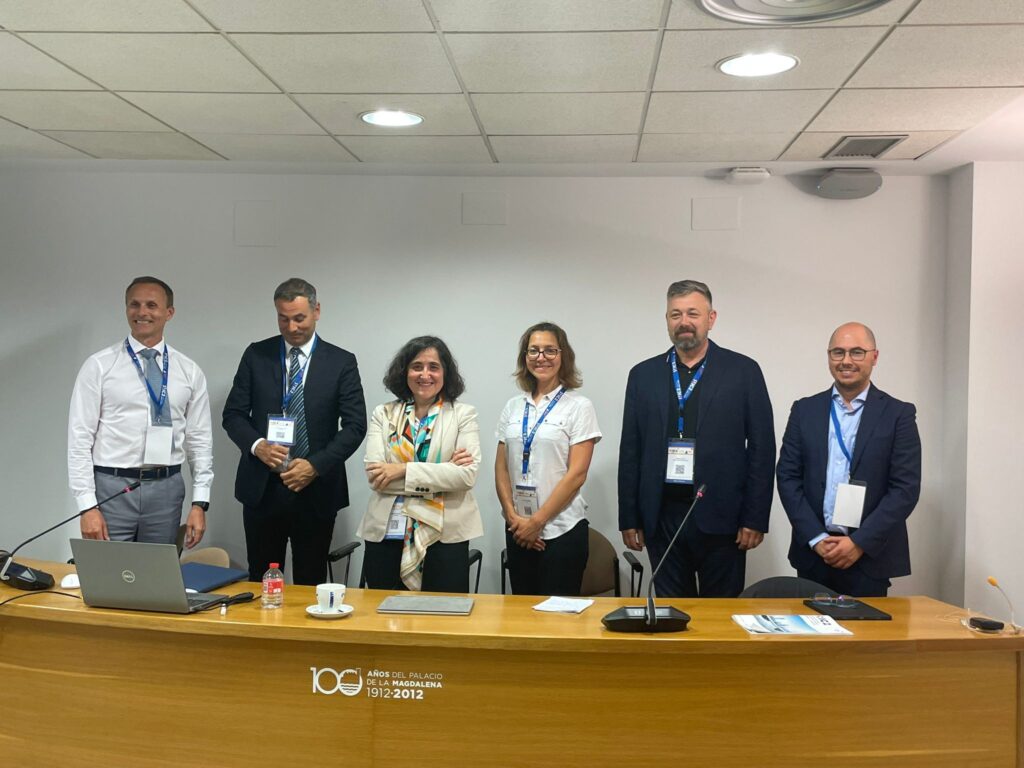
The day following the General Assembly, LIAISON joined forces with the CIRCUIT project for a joint final event that brought together around 60 participants, including researchers, infrastructure operators, industry representatives, and road and railway authorities.
Representatives from organisations such as MITMS (Spanish Ministry of Transport and Sustainable Mobility), ACLIMA (Basque Environment Cluster), ANAS (Italian Road Infrastructure Company), Slovenian Railways, and Croatian Motorways participated in discussions covering two main themes:
- Circular and Bio-based Solutions for Transport Infrastructure
- Smart Solutions, Energy Efficiency and Renewable Energy
Throughout the event, both projects presented emerging results from their demonstrations, highlighting how circularity, digitalisation, and energy efficiency can be integrated into future transport infrastructure systems.
Among the solutions presented, the validation of Geopolymer Concrete Slabs confirmed significantly higher circularity performance and lower carbon footprints compared with conventional concrete alternatives. Similarly, the large-scale demonstrator of an Optimised Smart Concrete Beam proved a reduction of approximately 20% in concrete use while integrating fibre-optic sensors capable of continuously monitoring structural health throughout the asset’s lifetime.
These examples illustrate an important shift currently taking place within the sector: infrastructure components are evolving from passive construction elements into intelligent assets capable of generating data, supporting predictive maintenance, and improving long-term asset management.
Procurement as a driver of innovation
One of the most insightful discussions emerged during the final roundtable, which focused on the role of Green Public Procurement (GPP) and Innovative Public Procurement (IPP) in accelerating the adoption of sustainable infrastructure solutions across Europe.
The exchange highlighted a common challenge: sustainable and circular solutions are often evaluated primarily through their initial investment costs.
However, the discussions clearly demonstrated the need for broader assessment criteria that consider lifecycle performance, environmental impact, maintenance requirements, monitoring capabilities, and long-term operational benefits.
While some innovative solutions may require higher upfront investments, their ability to reduce emissions, improve maintenance planning, extend asset lifetimes, and optimise infrastructure management can generate significant value over time. The first results presented by LIAISON and CIRCUIT suggest that many of these solutions are already demonstrating positive outcomes against environmental and operational performance indicators.
LIAISON Final Phase
Beyond reviewing technical achievements, partners also discussed the long-term legacy of the project and how the knowledge generated through LIAISON can support future infrastructure investments, procurement practices, and innovation pathways in the transport sector.
The coming months will focus on consolidating the evidence gathered from the demonstrations, refining exploitation opportunities, and translating project findings into recommendations that can support future infrastructure investments and policymaking.
As LIAISON moves towards its final phase, it is generating evidence, validating solutions in real environments, and building the foundations for a more circular, digital, and sustainable transport infrastructure sector.
Stay tuned as we continue sharing results, lessons learned, and recommendations!